

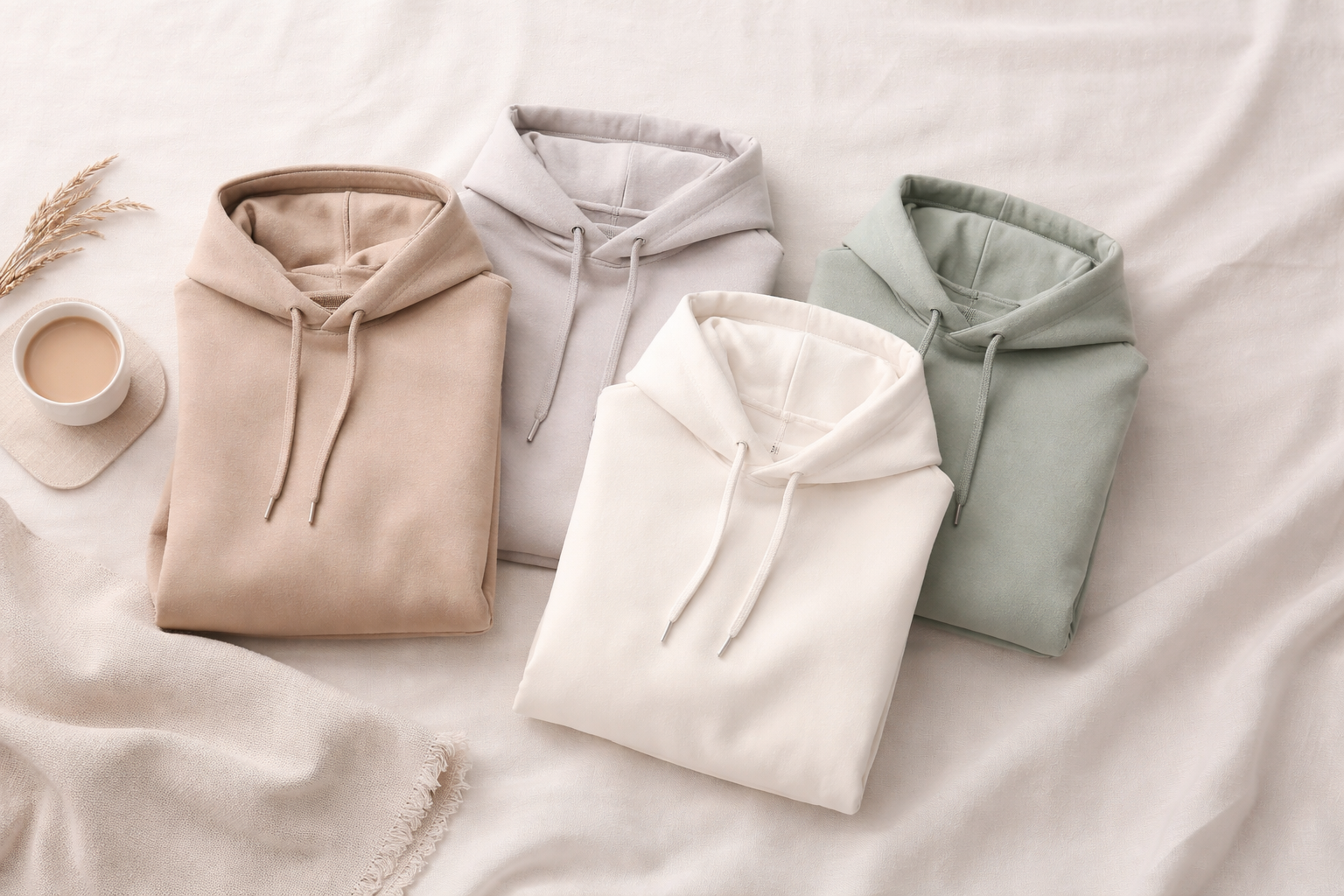
Hoodies are one of the most versatile and popular clothing items in modern fashion. Originally designed for warmth and practicality, hoodies have evolved into a year-round staple worn for casual outings, workouts, travel, lounging, and even streetwear fashion.
This complete hoodie guide covers everything you need to know, from different types and materials to fit, styling, and how to choose the best hoodie for your needs.
What Is a Hoodie?
A hoodie is a long-sleeved sweatshirt with a hood, often featuring a drawstring and a front pocket. While early hoodies were primarily worn by athletes and workers in cold environments, they are now a mainstream fashion essential.
Hoodies are loved for their:
- Comfort
- Warmth
- Casual versatility
- Easy layering
Unlike regular sweatshirts, hoodies provide added protection from wind and cold thanks to the hood.
Types of Hoodies
There are several types of hoodies, each designed for different preferences, styles, and use cases.
Pullover Hoodies
Pullover hoodies are worn over the head and have a clean, classic look. They’re popular for everyday wear and often feel warmer due to the lack of a zipper, which eliminates a potential cold spot down the front. The continuous fabric across the chest and stomach creates better insulation. Pullover hoodies typically feature a kangaroo pocket (a single large pocket across the front) that keeps both hands warm simultaneously and provides convenient storage. The uninterrupted design also makes them ideal for printed graphics, logos, and designs.
Best for: casual wear, lounging, cold weather
Zip-Up Hoodies
Zip-up hoodies feature a front zipper, making them easier to layer and adjust for temperature. You can wear them fully zipped for maximum warmth, partially unzipped for ventilation, or completely open as a lightweight jacket. This adjustability makes zip-ups particularly practical for activities where your body temperature fluctuates, like commuting or light exercise. They’re also easier to put on and take off without disturbing your hairstyle or removing glasses. Zip-up hoodies usually have two separate hand pockets rather than a single kangaroo pocket.
Best for: layering, workouts, travel
Oversized Hoodies
Oversized hoodies offer a relaxed fit with extra room in the body and sleeves. They’re especially popular in streetwear and loungewear culture. The dropped shoulders, extended length, and baggy silhouette create a contemporary aesthetic that’s both comfortable and stylish. Oversized hoodies work particularly well for layering over other pieces, and their relaxed nature makes them incredibly cozy for lounging. The extra fabric also allows for more dramatic graphics and designs. Many people find oversized hoodies more forgiving and comfortable than fitted styles. Loved, by many, these hoodies can be made specifically as oversized hoodies for men and oversized hoodies for women.
Best for: street style, comfort, relaxed outfits
Cropped Hoodies
Cropped hoodies end above the waist and are more fashion-forward. They typically hit at the natural waist or slightly above, creating a modern silhouette that works especially well with high-waisted bottoms. Cropped hoodies are popular in women’s fashion and athleisure, offering a balanced proportion when paired with leggings, joggers, or jeans. They provide the comfort of a hoodie while creating a more fitted, intentional look. The shorter length also prevents bunching when sitting and keeps the hoodie from looking too bulky.
Best for: casual fashion, athleisure looks
Lightweight Hoodies
Made with thinner fabrics like lightweight cotton, French terry, or performance blends, lightweight hoodies are ideal for mild weather and indoor use. They provide just enough warmth for cool evenings or air-conditioned spaces without causing overheating. These hoodies are often more breathable and faster-drying than their heavyweight counterparts, making them practical for light activity or transitional seasons. Their thinner construction also makes them easy to pack for travel and simple to layer under heavier jackets.
Best for: spring, summer evenings, layering
Heavyweight Hoodies
These hoodies use thick materials designed for warmth and durability. Heavyweight hoodies typically weigh 10-14 ounces or more and feature dense fabric construction, often with fleece lining or brushed interiors. They’re built to withstand cold temperatures and frequent wear, with reinforced stitching and substantial fabric that resists pilling and wear. While less suitable for layering due to their bulk, heavyweight hoodies excel as standalone outer layers in cold weather. They often have a more structured appearance that holds its shape better over time.
Best for: winter, outdoor wear
Hoodie Materials and Fabrics
The fabric of a hoodie plays a major role in comfort, warmth, durability, and price.
Cotton Hoodies
Cotton hoodies are soft, breathable, and comfortable but may shrink if not cared for properly. 100% cotton offers excellent breathability and a natural feel against the skin, making it ideal for those with sensitive skin or who dislike synthetic materials. Cotton absorbs moisture well, though it can feel damp during intense activity. The material softens further with each wash, developing a lived-in comfort. However, pure cotton hoodies tend to wrinkle more easily, lose shape over time, and may shrink up to 5% in hot water or high-heat drying.
Fleece Hoodies
Fleece hoodies are brushed on the inside for added warmth and softness. The brushing process creates tiny fibers that trap air, providing insulation without significant weight. This makes fleece hoodies warm relative to their thickness. Fleece can be made from cotton (cotton fleece) or synthetic materials (polar fleece). Cotton fleece offers natural breathability, while synthetic fleece provides better moisture-wicking and faster drying. Fleece hoodies are particularly popular for outdoor activities and cold weather because they retain warmth even when slightly damp.
Polyester & Blends
Polyester blends add durability, wrinkle resistance, and moisture-wicking properties. Common blends include 80/20 cotton-polyester or 50/50 mixes. The polyester component helps the hoodie maintain its shape, resist shrinking, and dry faster than pure cotton. Blended hoodies often cost less than 100% cotton while offering better durability and easier care. They’re ideal for athletic activities because they pull sweat away from your body. However, some people find synthetic blends less breathable or slightly less comfortable against the skin compared to natural fibers.
French Terry
French terry hoodies are breathable with a looped interior, making them ideal for lighter wear. Unlike fleece, which is brushed and fuzzy inside, French terry maintains distinct loops that create texture and airflow. This makes French terry hoodies cooler and more breathable than fleece while still providing moderate warmth. The fabric has a smooth exterior and textured interior, offering a refined appearance with comfortable functionality. French terry is popular for spring and fall hoodies, athleisure wear, and situations where you want the hoodie aesthetic without heavy insulation.
Sustainable Materials
Eco-friendly hoodies may use organic cotton (grown without synthetic pesticides or fertilizers), recycled polyester (made from plastic bottles or textile waste), or innovative materials like bamboo or hemp blends. These options appeal to environmentally conscious buyers who want to reduce their ecological footprint. Organic cotton uses significantly less water and no harmful chemicals, while recycled polyester diverts waste from landfills. Sustainable hoodies often cost more due to certified materials and ethical production, but they offer peace of mind regarding environmental and social impact.
Hoodie Fits and Styles
Choosing the right hoodie fit can make a big difference in both comfort and appearance.
- Regular fit: Balanced and classic, with proportions that follow your natural body shape without being tight or overly loose. Regular fit hoodies offer room for movement and layering while maintaining a clean silhouette. They work well for most body types and situations, providing versatility without making a strong style statement.
- Slim fit: More tailored and less bulky, designed to follow your body’s contours more closely. Slim fit hoodies eliminate excess fabric for a streamlined appearance that works well for leaner builds or when you want a more refined look. They layer more easily under jackets but offer less room for thicker underlayers.
- Oversized fit: Loose and relaxed with dropped shoulders, extended sleeves, and extra length. This contemporary fit prioritizes comfort and style over traditional proportions, creating a laid-back, fashion-forward aesthetic popular in streetwear culture.
- Streetwear style: Features bold graphics, oversized cuts, unique colorways, and trend-driven designs. Streetwear hoodies often incorporate brand logos, artistic prints, or cultural references, serving as statement pieces rather than basic wardrobe staples.
- Minimalist style: Clean designs with neutral colors (black, white, gray, beige, navy), no or minimal branding, and simple construction. Minimalist hoodies prioritize versatility and timelessness over trend-chasing, working seamlessly in multiple outfits and contexts.
- Athleisure style: Performance fabrics with a sporty look, often featuring moisture-wicking materials, athletic cuts, and subtle branding. These hoodies bridge the gap between workout wear and casual fashion, looking appropriate for both the gym and everyday activities.
How to Style a Hoodie
Hoodies can be styled in many ways depending on the occasion.
Casual Outfits
Pair a hoodie with jeans or joggers for a relaxed everyday look. Add clean sneakers or casual shoes to complete the outfit. For slightly more polish, choose dark jeans and a neutral-colored hoodie, keeping the overall look cohesive. This combination works for shopping, casual meetups, running errands, or relaxed social gatherings. You can elevate this basic pairing with accessories like a watch, minimal jewelry, or a quality backpack.
Streetwear Looks
Oversized hoodies combined with sneakers and layered jackets create a bold streetwear outfit. Try pairing an oversized graphic hoodie with tapered joggers or relaxed jeans and high-top sneakers. Add a bomber jacket, denim jacket, or utility vest over the hoodie for dimension. Streetwear styling often incorporates statement accessories like caps, crossbody bags, or distinctive footwear to create a cohesive, trend-aware aesthetic.
Layered Fits
Hoodies work well under denim jackets, bomber jackets, leather jackets, or coats in colder seasons. This layering adds both warmth and visual interest to your outfit. For best results, ensure the outer layer is one or two sizes larger than your hoodie to avoid bunching. Zip-up hoodies layer particularly well, as you can leave them open or closed depending on warmth needs. Consider color coordination, neutral hoodies work under almost any jacket, while bold-colored hoodies can create intentional contrast.
Athleisure Style
Combine hoodies with athletic pants, leggings, or joggers and trainers for a sporty aesthetic that’s comfortable and functional. This style works for light workouts, active errands, or casual outings where comfort is priority. Choose coordinating colors or stick to monochrome palettes for a more put-together appearance. Performance-fabric hoodies enhance this look while providing practical moisture-wicking benefits.
Hoodies for Different Uses
Not all hoodies are designed for the same purpose.
- Workout hoodies: Lightweight and breathable with moisture-wicking properties that pull sweat away from your body. These hoodies often feature athletic cuts that allow full range of motion, along with details like thumbholes, reflective elements for visibility, and strategic ventilation panels.
- Travel hoodies: Comfortable and wrinkle-resistant with easy layering capability for fluctuating airplane or vehicle temperatures. Travel hoodies often include practical features like zippered pockets for securing valuables, packable designs that compress easily in luggage, and versatile styling that works in multiple contexts.
- Lounge hoodies: Soft, cozy, and relaxed fit, prioritizing maximum comfort for at-home wear. These hoodies typically use plush materials like cotton fleece, feature oversized or relaxed cuts, and focus on coziness over style considerations. They’re perfect for lazy weekends, working from home, or unwinding after a long day.
- Cold-weather hoodies: Thick fabrics with fleece lining, heavyweight construction, and features like ribbed cuffs and waistbands that seal in warmth. These hoodies may include additional details like interior storm flaps, reinforced elbows, or windproof materials.
- All-season hoodies: Medium weight with versatile materials that work in various temperatures. These hoodies balance warmth and breathability, making them suitable for year-round wear in moderate climates.
- Work from home: Soft, relaxed hoodies that stay comfortable for long hours. See our picks for the best hoodies for working from home.
Choosing a Hoodie on a Budget
For shoppers looking to save money, our list of the best cheap hoodies for men or best cheap hoodies for women compares budget-friendly picks that deliver the best value for the price.
- Hoodies for men under $50: You don’t need to spend a lot to get a good-quality hoodie. We’ve rounded up the best hoodies for men under $50, including affordable options that still offer comfort and durability.
Hoodie Size and Fit Guide
A good hoodie should feel comfortable without being restrictive.
When choosing a size:
- Check the brand’s size chart
- Decide whether you prefer a fitted or oversized look
- Consider shrinkage, especially with cotton hoodies
For an oversized fit, many people size up, while those wanting a cleaner look may stick to true-to-size.
Hoodie Care and Maintenance
Proper care helps hoodies last longer.
- Wash inside out to protect fabric and prints
- Use cold water to prevent shrinking
- Avoid high heat when drying
- Store folded to prevent stretching
Taking care of your hoodie keeps it soft, durable, and looking new.
Custom and Branded Hoodies
Custom hoodies are popular for:
- Businesses and startups
- Events and giveaways
- Merchandise for creators and brands
Printing and embroidery are the most common customization methods, each offering different durability and style options.
Hoodie Trends
Hoodie trends continue to evolve, but some popular directions include:
- Oversized silhouettes
- Neutral and earthy tones
- Minimal logos
- Sustainable fabrics
- Vintage-inspired designs
Staying aware of trends helps buyers choose hoodies that feel current and stylish.
Frequently Asked Questions About Hoodies
What’s the difference between a hoodie and a sweatshirt?
A hoodie includes a hood, while a sweatshirt does not.
Are hoodies casual wear?
Yes, hoodies are generally considered casual, though some minimalist styles can be dressed up.
Can hoodies be worn year-round?
Yes. Lightweight hoodies work well in warmer months, while heavyweight hoodies are ideal for winter.
How much should a good hoodie cost?
Prices vary based on material, brand, and quality, ranging from budget options to premium designs.
Final Thoughts
Hoodies are a timeless wardrobe essential that blend comfort, functionality, and style. Whether you’re looking for a cozy hoodie for lounging, a performance hoodie for workouts, or a stylish option for everyday wear, understanding hoodie types, materials, and fits makes it easier to choose the right one.
Use this guide as a starting point, then explore specific hoodie recommendations, comparisons, and reviews to find the best option for your needs.
